
Our potty training experience was anything but straightforward. Between figuring out readiness, dealing with resistance, and working through setbacks, we learned that the journey from diapers to underwear doesn’t always go as planned.
If you’re still preparing to potty train or aren’t sure where to begin, start with my How to Start Potty Training: A Practical Guide for Parents. It covers readiness signs, essential supplies, and simple routines to help you get started.
Looking for the free potty charts? Jump straight to the printables.

* This post includes Affiliate Links.
Tips on Potty Training Toddlers
Determining When Your Child Is Ready
One of the biggest questions parents have is when to start potty training. Some children show an obvious interest in using the toilet, while others need more encouragement and time to get comfortable with the idea.
Signs of readiness can include:
- Showing interest in the toilet or watching family members use it.
- Recognizing when they’re peeing or pooping.
- Staying dry for longer periods.
- Communicating when they need a diaper change.
- Becoming more independent with dressing and undressing.
But recognizing these signs doesn’t necessarily mean potty training will be easy. A child might understand what the potty is for and still feel uncomfortable using it.
That was certainly our experience with our son. He showed several signs of readiness, but getting him comfortable with actually sitting on the potty was another challenge entirely.
Is Potty Training Different for Boys and Girls?
You’ll often hear that boys take longer to potty train than girls, but every child develops at their own pace. Personality, comfort, communication, and individual readiness can all influence the experience.
One practical difference is teaching boys whether to pee sitting or standing. Starting seated can simplify the process because they can learn to pee and poop in the same position. Standing can come later when they’re comfortable and ready.
When boys are ready to practice standing, some families use a toilet target to make aiming more fun, while others try a child-sized urinal. Neither is necessary, but having different options can help.
We experienced very different potty training journeys with our son and daughter, which reminded me that even children growing up in the same household can approach this milestone completely differently.
Ultimately, it’s more helpful to focus on your individual child’s progress than to compare their timeline with other children.
Our Story: The First Stage of Readiness
Potty training our son turned out to be a much longer and more challenging journey than I expected. Looking back, there were signs that he might have been ready long before we seriously started, but our family wasn’t quite ready to take on the process.
Recognizing the First Signs
Around age two, I noticed that our son would make his familiar poop face at almost the same time every day. It seemed like a good opportunity to introduce the potty, but I was also nursing his baby sister every couple of hours.
With two kids just 15 months apart, I wasn’t sure I could give potty training the attention it needed. So we waited.
Our First Attempts at Potty Training
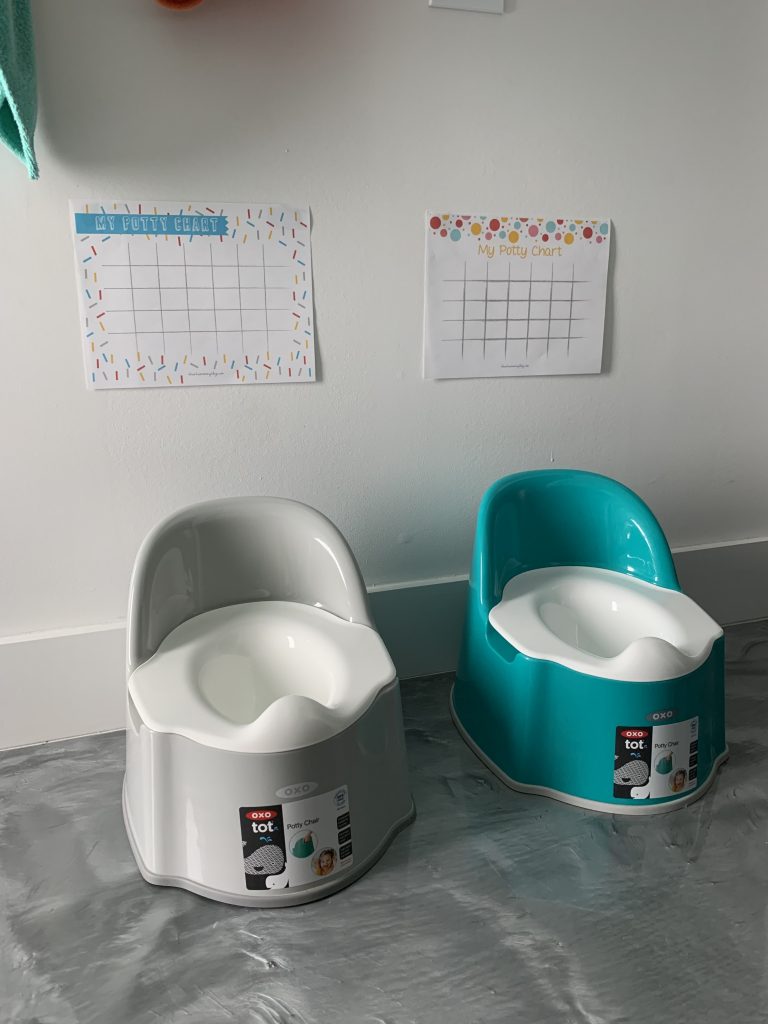
Eventually, we introduced both a little floor potty and a potty seat that fits over the regular toilet. The floor potty was easier for little legs to reach, while the toilet seat was another option to help him get used to the regular bathroom setup. Unfortunately, he was terrified and didn’t want to use either one.
Rather than force the issue, we backed off and gave him more time.
Meanwhile, our daughter surprised me by successfully pooping in the toilet a few times when I caught the timing just right. For a moment, I thought I might be able to potty train both kids at once!
But occasional success didn’t mean she was ready to use the potty consistently, and our son still wasn’t comfortable sitting on it.
Clearly, they each needed their own timeline.
Free Printable Potty Training Charts
During our potty training journey, I created a few simple reward charts to help make the process more encouraging for our son. Adding stickers and celebrating little successes gave him something positive to look forward to, even when progress wasn’t always consistent.
These printable potty charts can be used to track bathroom visits, celebrate milestones, or simply make potty training a little more fun. Use them in whatever way works best for your child, without pressure to fill every space or meet a particular timeline.

Ready to give them a try? Download and print your free potty training charts below.
Our Story: Building a Potty Training Routine
Recognizing His Growing Independence
By two and a half, our son was becoming increasingly independent. He was choosing his clothes, dressing and undressing himself, and putting dirty clothes in the hamper.
He even started telling us when he needed a diaper change. One morning, he surprised me by announcing that he’d changed his own wet diaper!
But despite his growing independence, he still wasn’t comfortable sitting on the potty without a diaper. We needed a different approach.
Related reading: Potty training is just one of the ways toddlers begin developing independence. If you’re working on encouraging your child to do more things on their own, you might also enjoy my article about helping young kids build independence through everyday routines.
Establishing a Potty Training Routine
Instead of waiting for him to become enthusiastic about potty training, we gradually introduced bathroom visits into his everyday routine:
- Before bath time: He often peed during baths or showers, so we started offering the potty beforehand.
- First thing in the morning: Once that became familiar, we added a bathroom visit after waking up.
- Before bedtime: A few days later, we included the potty in our evening routine.
- Throughout the day: We offered regular bathroom breaks without expecting him to go every time.
Having a predictable routine helped make using the potty feel more familiar and less like a big event.
More routine ideas: Potty time became part of our evening routine, too. If you’re looking for other ways to make evenings easier with little ones, check out my article on creating a bedtime routine for toddlers.
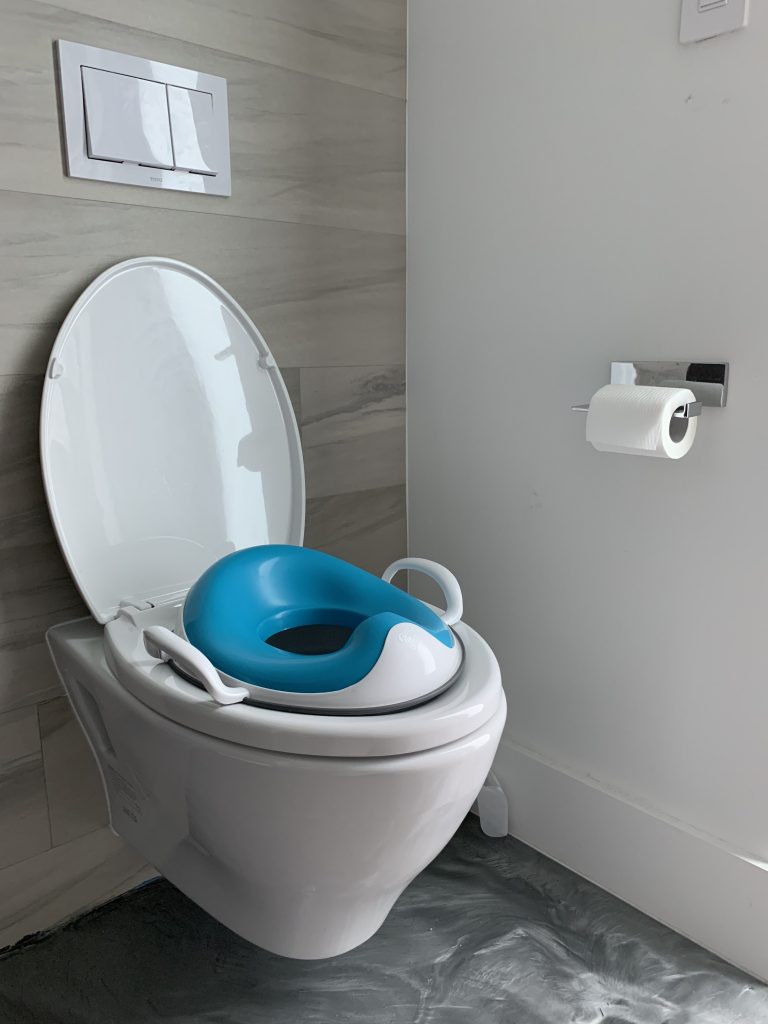
Using the regular toilet came with its own challenges. I specifically wanted a potty seat with handles because climbing onto the toilet, turning around, and getting back down can be difficult (and scary!) for little ones. The handles gave him something to hold onto, while a sturdy two-step stool helped him reach the toilet and keep his feet supported.
When Progress Didn’t Mean Everything Was Easy
Even with a routine, our son sometimes resisted using the potty because he wanted to make his own decisions.
We also experimented with letting him play without a diaper at home. He could stay dry for stretches of time, but he’d use his diaper again at nap time. Switching to underwear didn’t immediately solve that problem either.
It was discouraging, but looking back, I realize he was learning a new skill while also figuring out his growing independence. Progress in one area didn’t mean every part of potty training would come easily.
Potty Training Poop Struggles: What We Tried and Learned
When Peeing Was Easier Than Pooping
Just when we thought we were making progress, we encountered one of our biggest potty training struggles: getting our son comfortable pooping in the toilet.
He was learning to use the potty to pee, but he would often wait until nap time, when he was wearing a diaper, to poop.
Since naps happened after lunch, I started encouraging him to sit on the potty beforehand. Sometimes we’d spend 30 minutes or more waiting, only for him to poop shortly after putting his diaper back on.
It became an exhausting cycle for both of us.
Trying Rewards and Potty Charts
We tried small treats and sticker charts to make potty training more encouraging. Candy motivated him initially, but it also created frustration when he didn’t earn a reward.
Our potty charts worked better at first because we could celebrate little successes visually. Adding colorful sticker packs made the experience more fun, although eventually even those stopped helping with the poop struggles.

Looking back, I realize that what seemed like stubbornness could have been fear or discomfort. Our long bathroom sessions were creating more pressure than progress.
When We Decided to Take a Break From Potty Training
After months of struggling, bathroom visits had become a daily source of frustration. Our son resisted, and we were both exhausted.
So we stopped potty training altogether.
For two days, I let him wear diapers without reminders or pressure. Honestly, it was a relief for both of us.
The Turning Point in Our Potty Training Journey
On the third day, after a busy morning, our son was tired and ready for his nap. I took him to the potty for the first time since our break, then decided to let him nap without a diaper.
Within an hour, he woke up crying because he’d wet the bed. He was confused and upset, and I immediately comforted him. We talked about what happened, reassured him that accidents were part of learning, and helped him get cleaned up.
That experience seemed to make him more aware of the sensation of being wet. Gradually, he began paying closer attention to his body’s signals.
Looking back, I wouldn’t recommend deliberately setting a child up for an accident. At the time, I was exhausted and trying to find something that would work. It became a turning point in our experience, but that doesn’t mean it’s an approach other parents should try.
What Taking a Break Taught Us
The biggest lesson wasn’t that accidents were necessary for learning. It was that our son needed time, patience, and less pressure.
Once we stopped turning every bathroom visit into a struggle, he gradually became more willing to use the potty for both pee and poop.
Sometimes taking a break doesn’t mean giving up. It simply gives everyone a chance to reset.
Our Story: The Final Potty Training Milestones
Transitioning From Diapers to Underwear
After all the setbacks, we finally started seeing more consistent progress. Our son was becoming more aware of when he needed to use the bathroom, and he was beginning to go on his own.
Sometimes he’d even tell me he needed to go while we were out of the house. After everything we’d been through, those little moments felt like huge victories!
Once he was consistently using the potty, we decided it was time to transition from diapers to underwear during the day.
When you’re ready to make the switch, having several pairs of comfortable, easy-to-pull-down underwear makes those inevitable accidents a little easier to manage. You can find plenty of options for boys’ underwear and girls’ underwear, depending on your child’s needs.
Another option is reusable potty training underwear, which has a little extra absorbency to help with small accidents during the transition. It’s not completely leakproof like a diaper, but it can be a useful middle ground for families who aren’t quite ready for regular underwear.
Switching to underwear was another important milestone, although it didn’t mean accidents disappeared overnight. We still needed to maintain our bathroom routine and offer occasional reminders.
He even became interested in using his potty charts and stickers again, which made celebrating his progress a little more fun.
For our family, the transition worked best once he was comfortable using the potty rather than trying to use underwear as a way to force readiness.

Overnight Potty Training and Staying Dry
Nighttime was a separate part of our potty training journey.
A few months after our son was consistently using the toilet during the day, we noticed that he was regularly waking up with a dry diaper.
That’s when we decided to try underwear overnight, too.
Thankfully, the transition went fairly smoothly. He rarely needed to get up to use the bathroom during the night, although we occasionally had accidents in the morning when he woke up.
One thing worth remembering is that staying dry overnight isn’t entirely the same as learning to use the potty during the day. Nighttime bladder control develops at its own pace, and some children need overnight protection long after they’re comfortable using the toilet.
There’s no need to rush that transition or treat nighttime accidents as a setback.
A waterproof mattress protector can also make those occasional accidents much easier to manage, whether your child is just starting potty training or already wearing underwear overnight.
Other Potty Training Struggles We Encountered
Potty Training With a Younger Sibling in Diapers
Having two children just 15 months apart added another layer of difficulty to potty training.
Between nursing our daughter, managing naps, and keeping up with everyday routines, I couldn’t always give our son the attention he needed to get to the bathroom quickly.
As our daughter became more mobile, letting him run around without a diaper wasn’t particularly appealing either. Between a curious baby and our dog, I wasn’t eager to add more messes to the house!
There was also the confusion of having one child learning to stop using diapers while the other still wore them.
From his perspective, why did his little sister get to wear diapers when he was expected to use the potty?
It reminded me that readiness isn’t just about the child. Family circumstances can affect when and how potty training works, too.
Potty Training While Running Errands and Going Out
Potty training outside the house was another challenge, especially since our morning outings overlapped with the time our son was making the most progress at home.
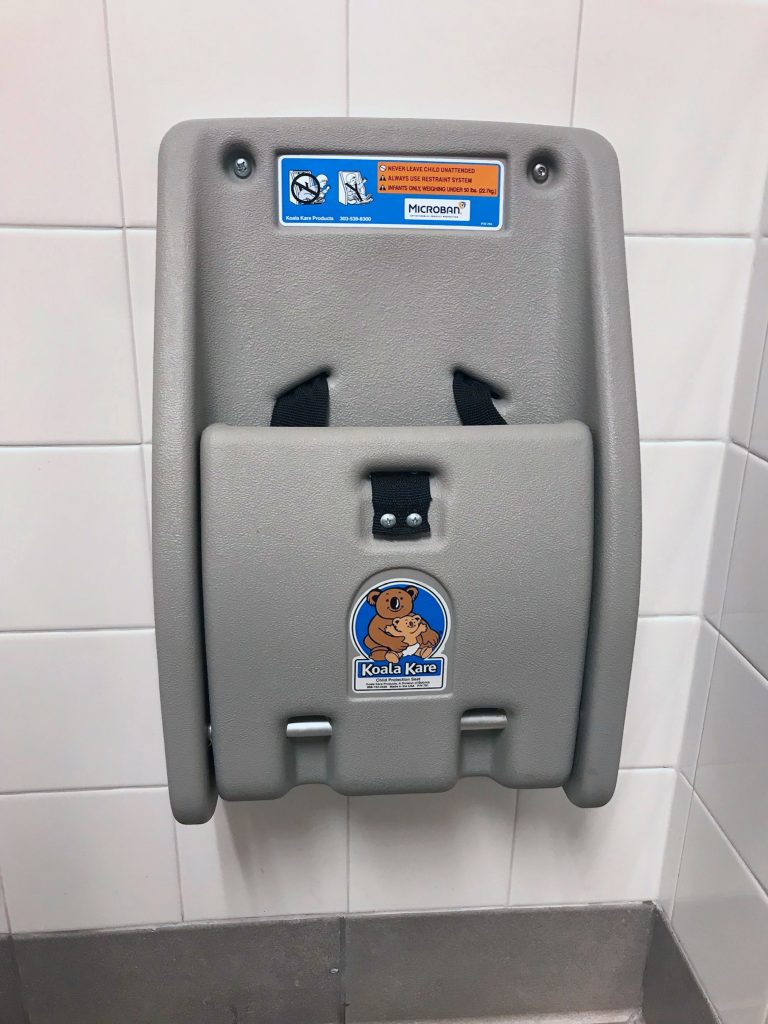
Using public restrooms with two little kids wasn’t easy. I had to help one child use the toilet while keeping an eye on a younger sibling who wanted to touch everything. And not every restroom had enough room for our double stroller!
Once our son transitioned to underwear, I started planning outings around bathroom access. Even choosing a playground became more complicated when I needed to know whether there was a restroom nearby.
A few things made outings easier: encouraging him to use the potty before leaving home, planning bathroom breaks, and keeping spare clothes and cleanup supplies available for accidents.
Although we didn’t personally use one, a folding travel potty seat would have been helpful in public restrooms. It fits over a regular toilet, giving toddlers a smaller, more secure place to sit.
Another option is keeping a portable potty in the car, especially for long drives, parks without restrooms, or unexpected bathroom emergencies.
Practical Potty Training Tips for Parents
After everything we experienced, these are the potty training tips I’d share with other parents navigating the same struggles:
Everyday Potty Training Routines and Encouragement
- Watch for signs of readiness. Interest in the potty, awareness of wet diapers, and growing independence can all be encouraging signs. But being ready to try doesn’t mean every part of potty training will come easily.
- Build bathroom visits into everyday routines. Offer the potty after waking up, before baths, before bedtime, and before leaving the house. Consistency helped us make bathroom visits feel more familiar.
- Keep potty time relaxed. Long bathroom sessions and repeated reminders didn’t help our son. Sometimes giving children a little space works better than pushing for immediate results.
- Celebrate progress without adding pressure. Stickers, encouragement, and printable potty charts can make small milestones more exciting. Just remember that rewards won’t solve every potty training struggle.
- Make independence easier. Comfortable clothing, an appropriately sized potty, and a stable step stool can help children participate more confidently in their bathroom routine.
Handling Accidents, Outings, and Setbacks
- Prepare for accidents. Keep spare underwear, extra clothes, and a bag for wet items handy. A waterproof mattress protector makes nighttime cleanup easier, while a waterproof car seat protector can help with accidents on the road, provided it’s approved for use by your car seat manufacturer.
- Plan ahead when leaving home. Encourage a bathroom visit before outings, locate restrooms when possible, and consider whether a travel potty would be helpful for your family.
- Be willing to change your approach. If potty training becomes a daily struggle, it may be time to slow down or take a break. Every child develops at their own pace.
Potty training is also one of the many steps toward independence. I’ve shared more about how we encourage those everyday abilities in my article on personal care skills for kids..
What I Learned From Our Potty Training Struggles
Looking back, one of the biggest lessons was that progress doesn’t always happen in a straight line. Our son could be ready for one part of potty training while still struggling with another, and pushing harder wasn’t always the answer.
Accidents and setbacks were part of the process. Learning to respond calmly, celebrate small victories, and adjust our approach helped make the experience less stressful for everyone.
Our journey took longer than I expected, but watching our son become more confident and independent made those little milestones worth celebrating.

Hi, I’m Paula — mom of two growing kids, lifelong overthinker, and the person behind Thanks Mommy. I share thoughtful parenting, raising curious and independent kids, creativity, learning at home, simple recipes, and the everyday things we learn along the way.

We’re also in the potty training process, lots of motivation and positive reinforcement! Thanks for the helpful tips on the go as well! Will have to use those once we start getting a better routine!
My son is 2 1/2 and we are going through the “another sibling still in diapers” struggle. His brother is 13mo and obviously still in diapers so he wants to be too! We are just kind of winging it and taking it day by day now, I am ready for… Read more »
Whew I can really relate to this! I have a daughter who is 3 now and I started potty trained her when I noticed she hated wearing diaper. As in literally she will take it off and chose not to wear anything. It took me months before we successfully potty… Read more »
Thanks for sharing your experience. I have a toddler now so potty training is just around the corner for us. I’m trying to learn as much as I can so I can be prepared. Sometimes learning the “what not to dos” is the best advice you can give!
Potting training is fun, it can be challenging sometimes. When my husband and I potty train our daughter it was easy. We are thankful that she was just as excited as we are. We have few accidents but it was part of it.